Chook run – removing temporary divider

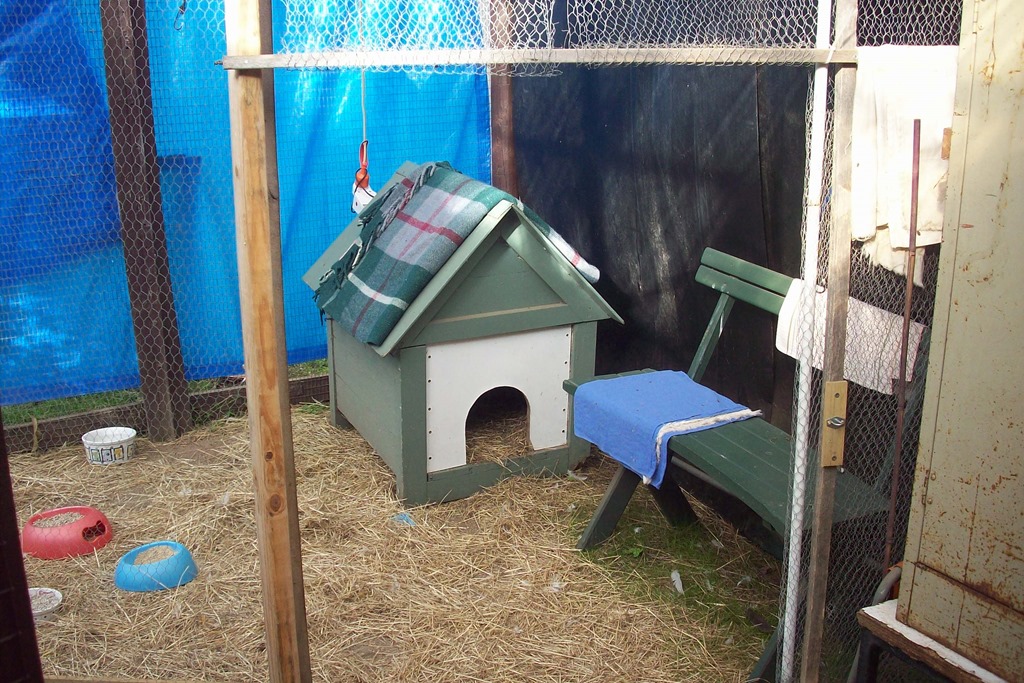
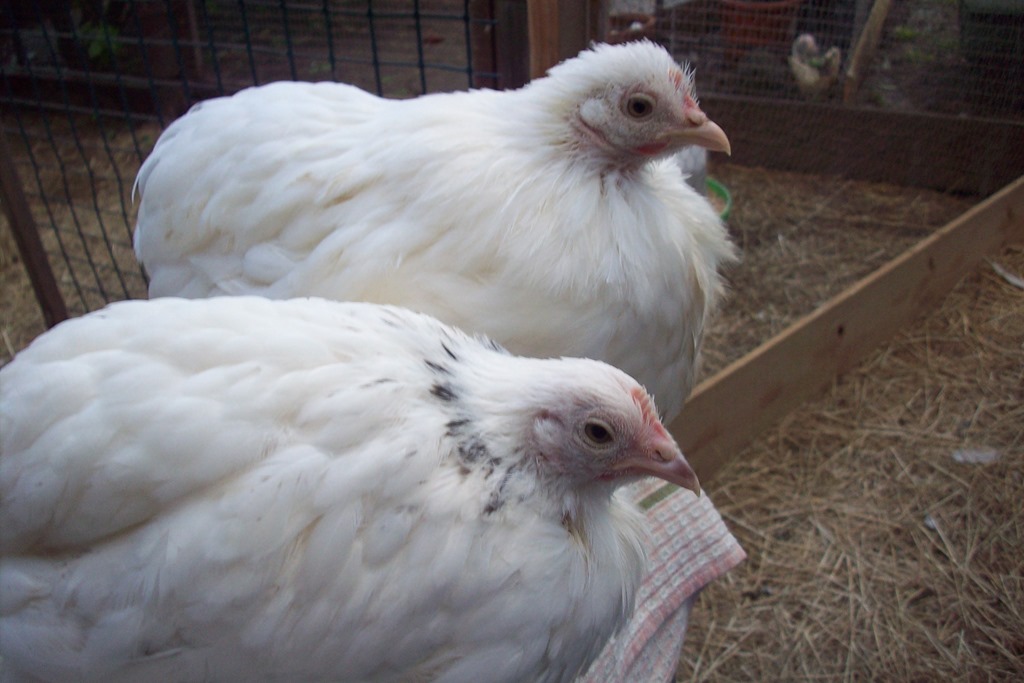
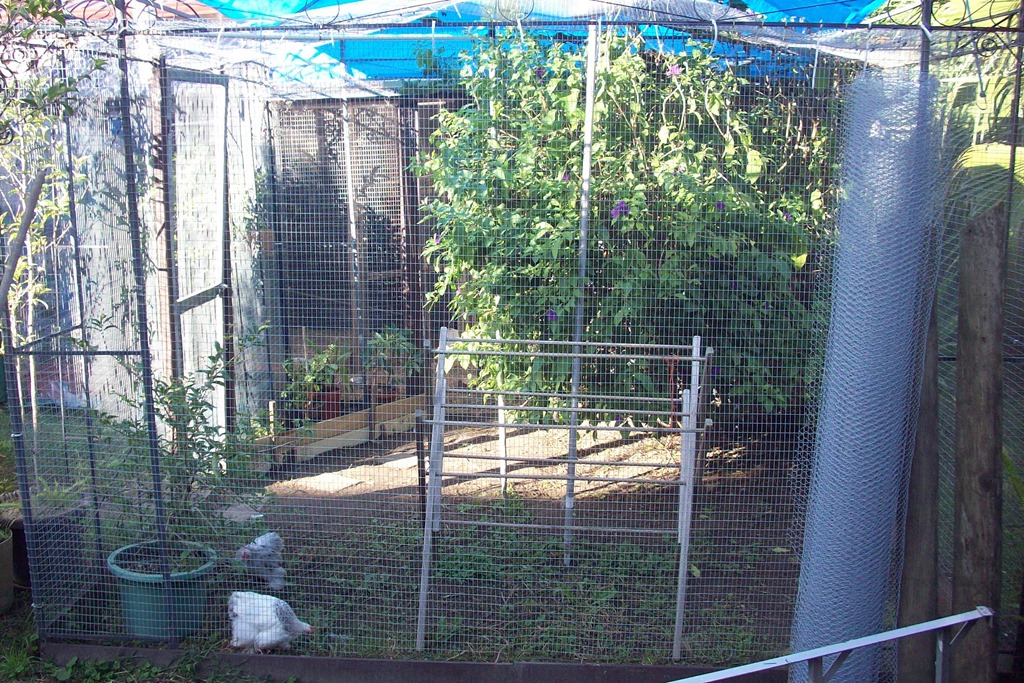
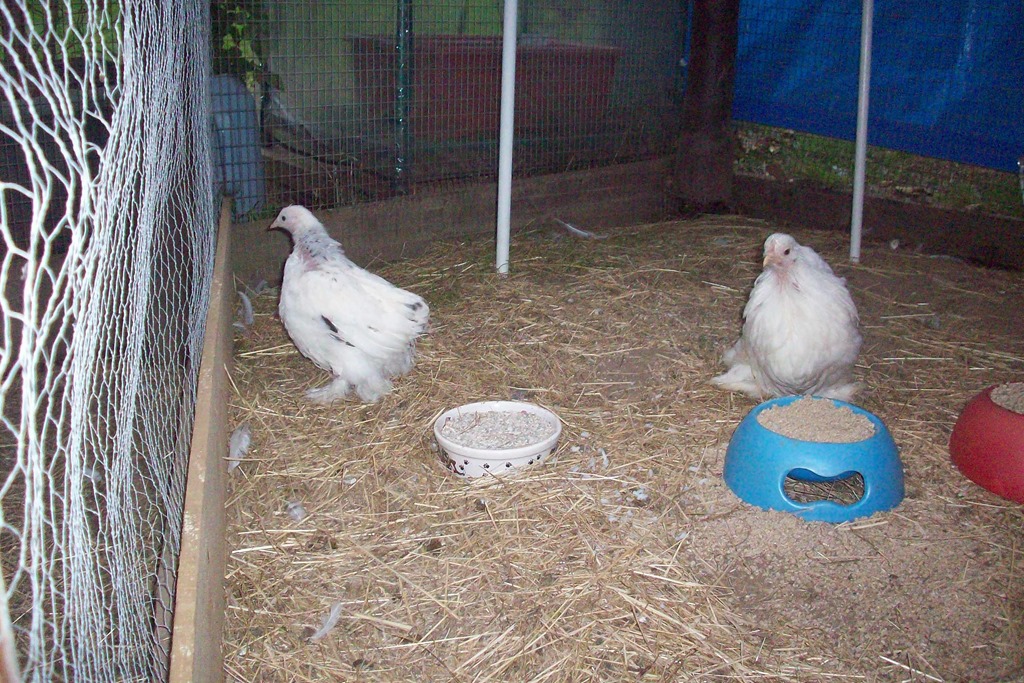
When we came home with the new Pekins (Speckles and Lilly) early in May I partitioned off one end of the main chook run to separate them from the older resident’s –  Misty and Ruby (Wyandotte’s).

100_3834

This gives them their own space for a few weeks  (with water, feed and their own sleeping quarters) to get used to their new surroundings and for the older ones to accept the newcomers.

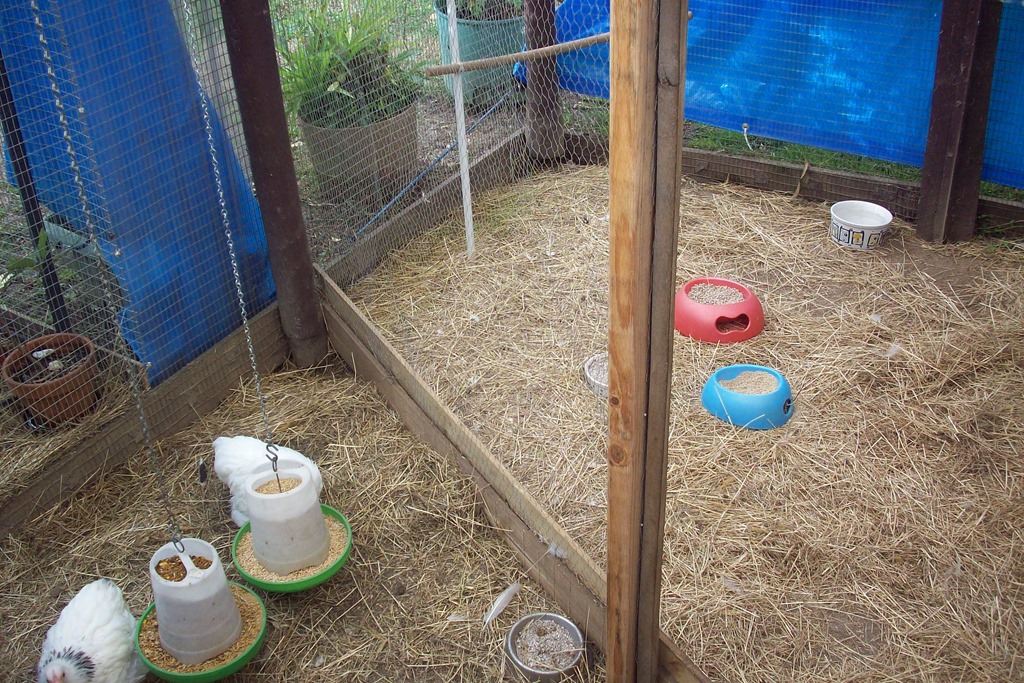
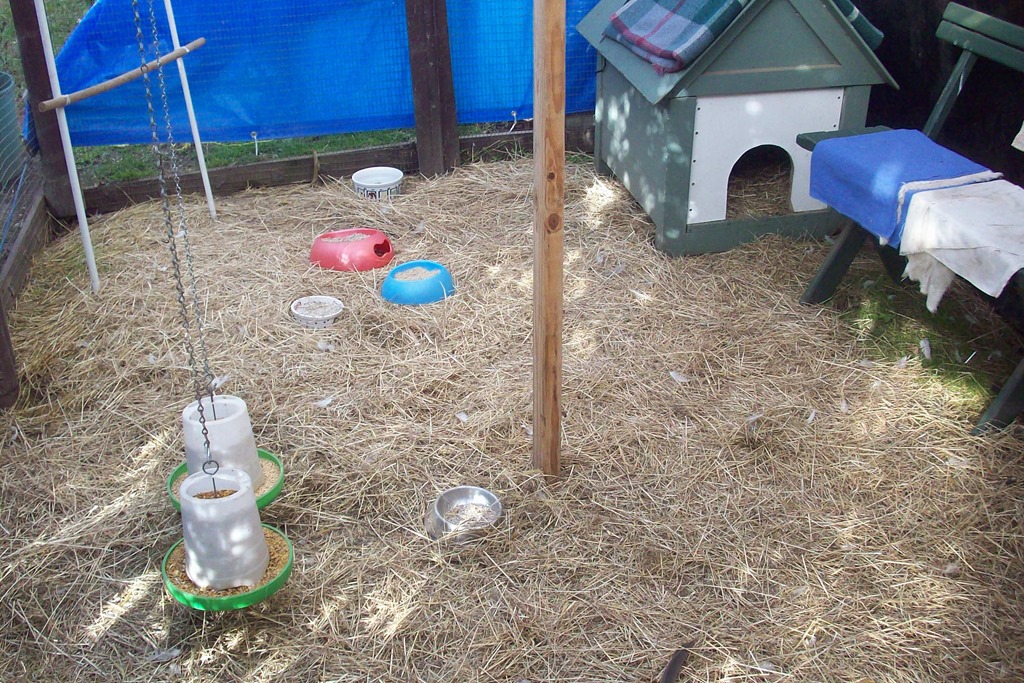
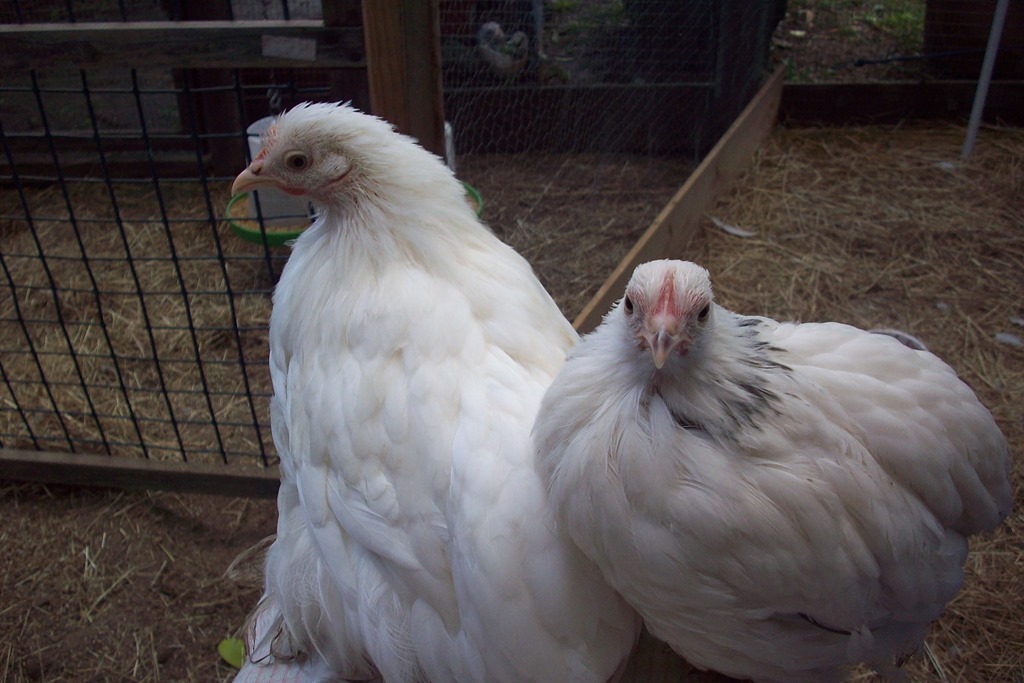
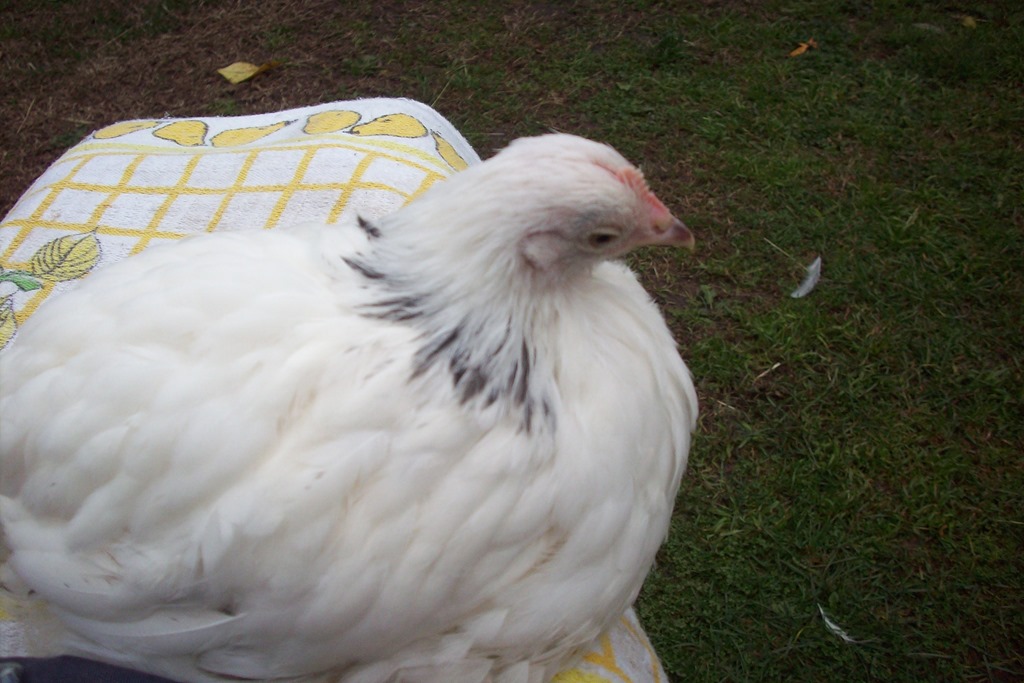
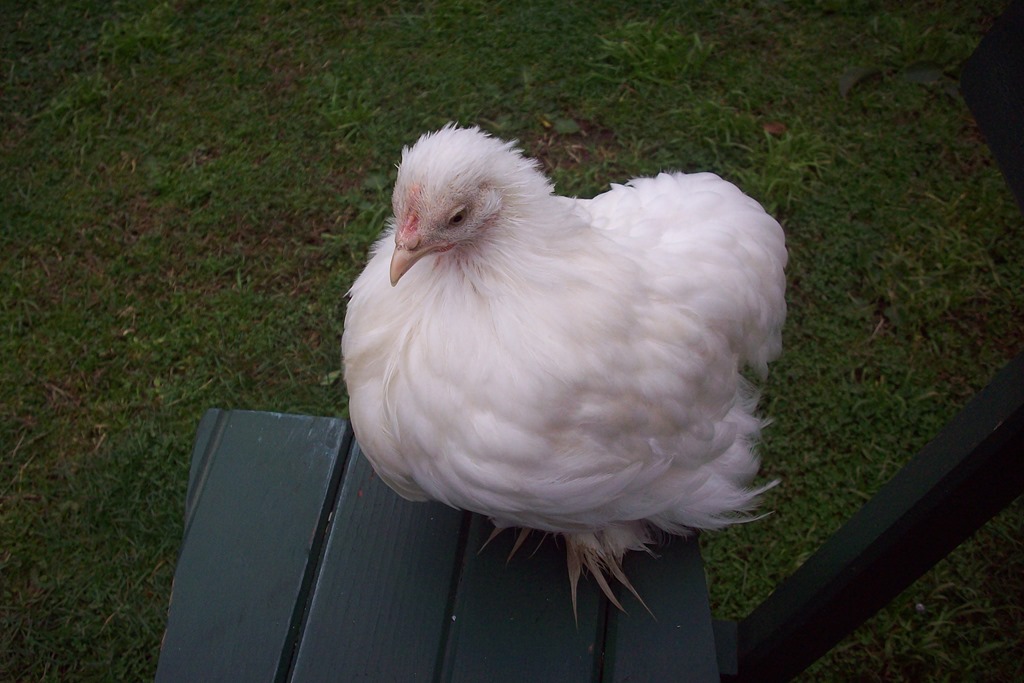
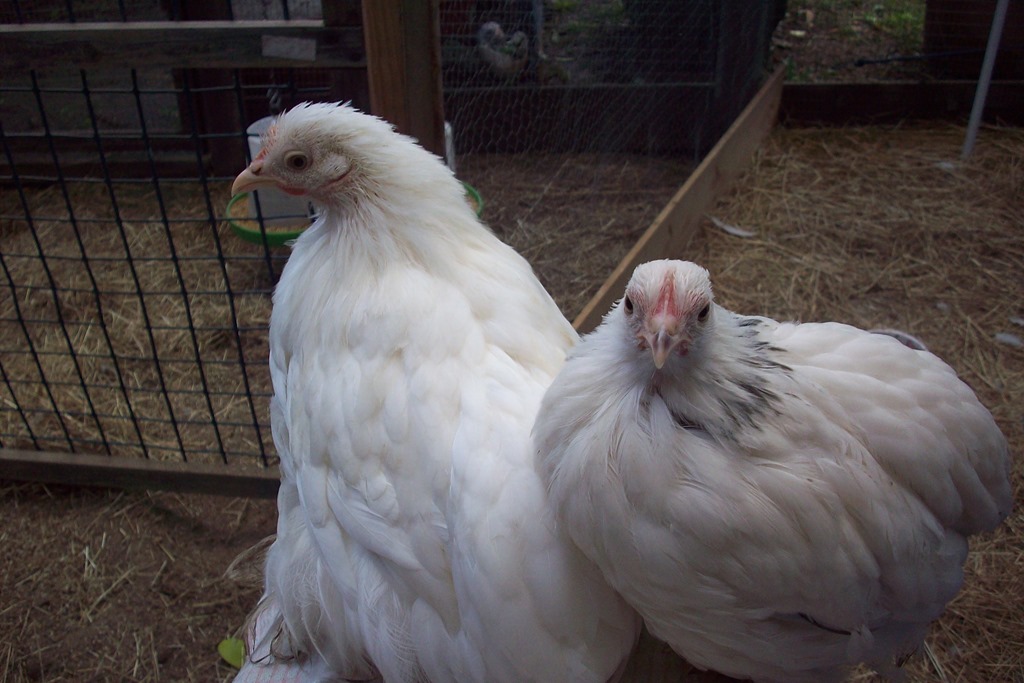
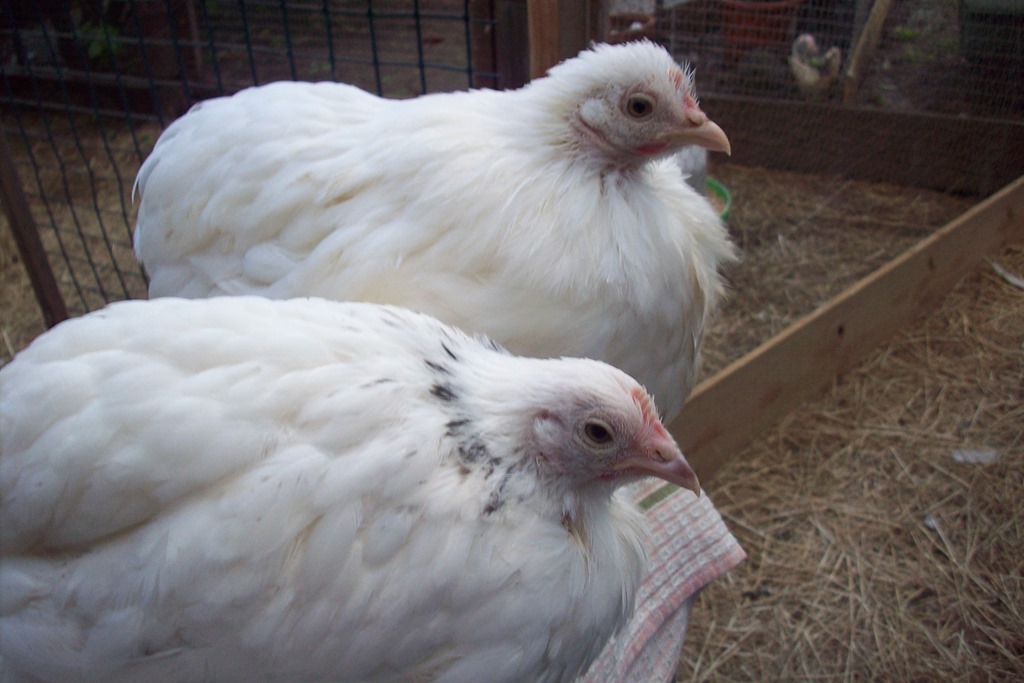
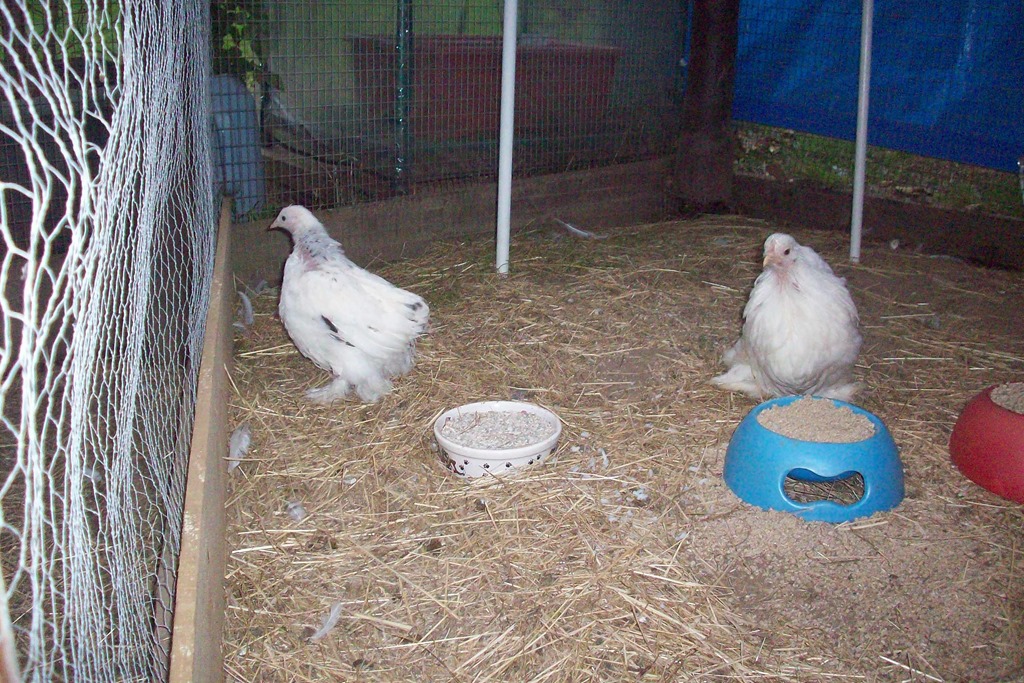
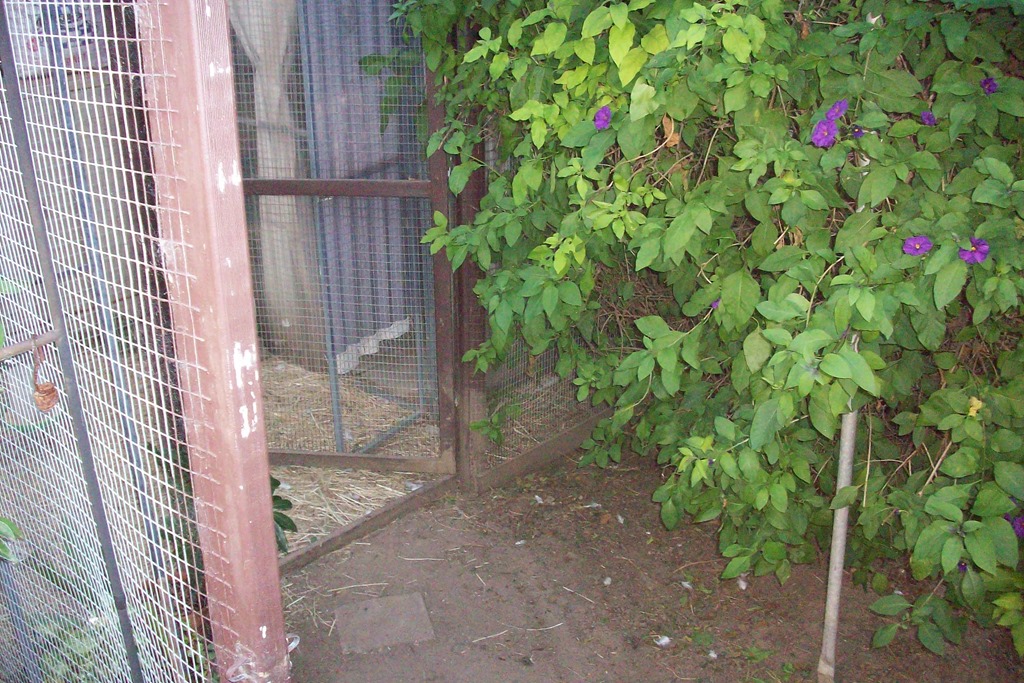
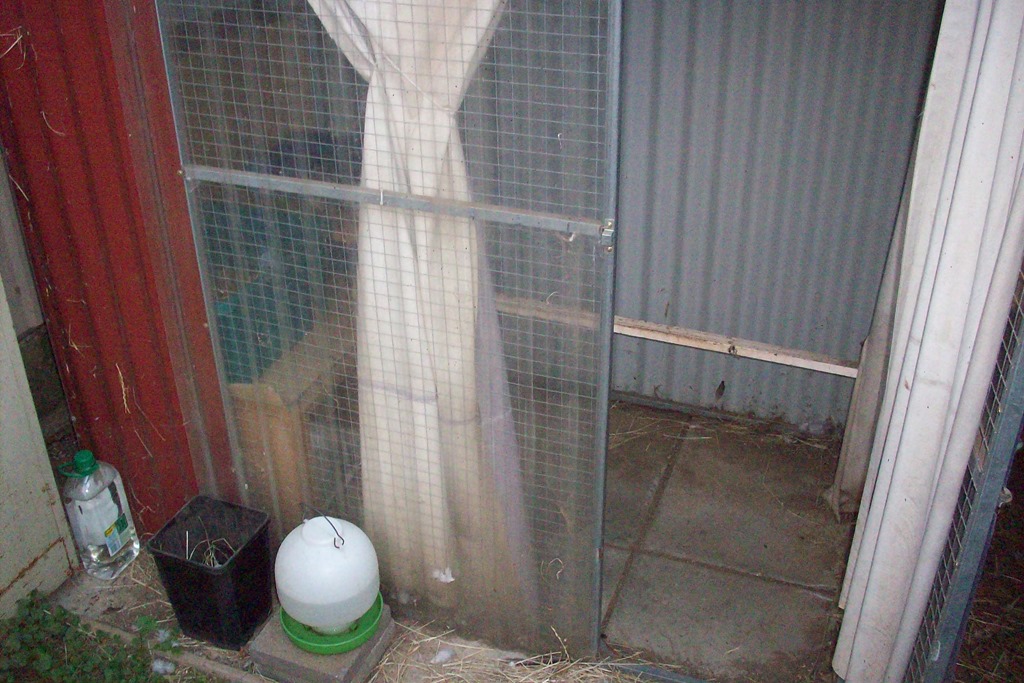
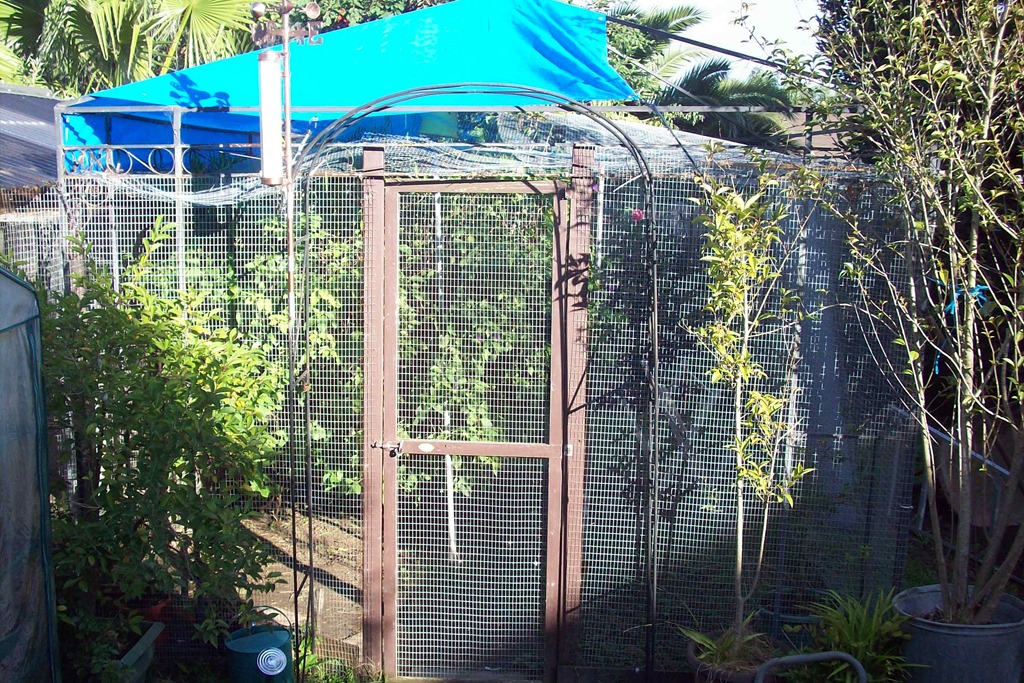
Towards the end of the second week we started letting them out into the garden. Everyone seems to be getting along fine so it’s time to remove the chicken wire divider – below.

100_3914

100_3915

100_3916

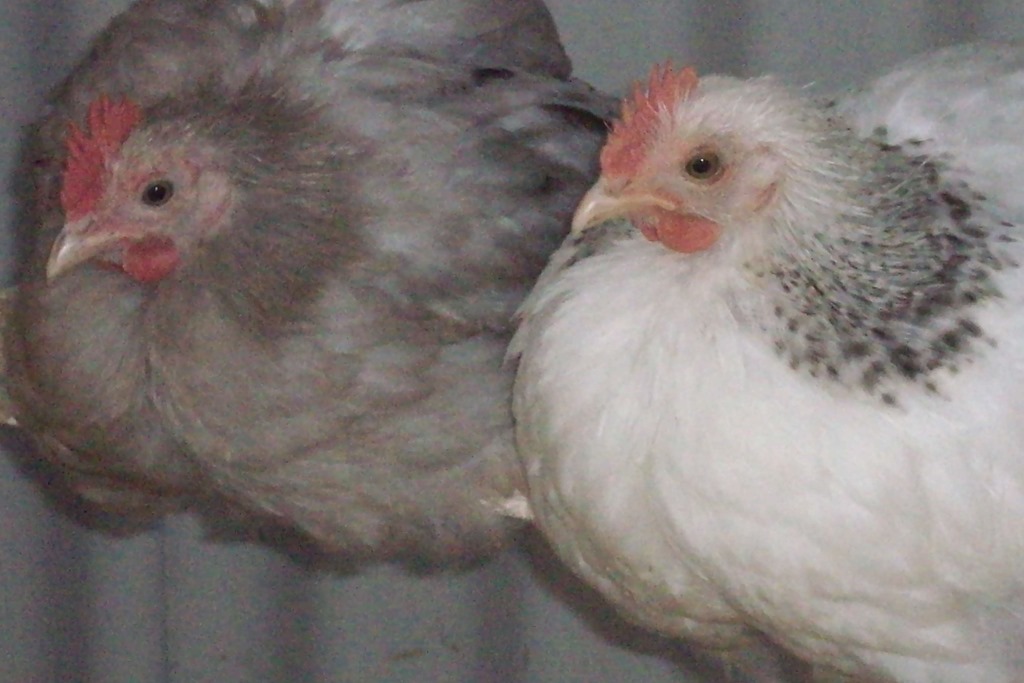
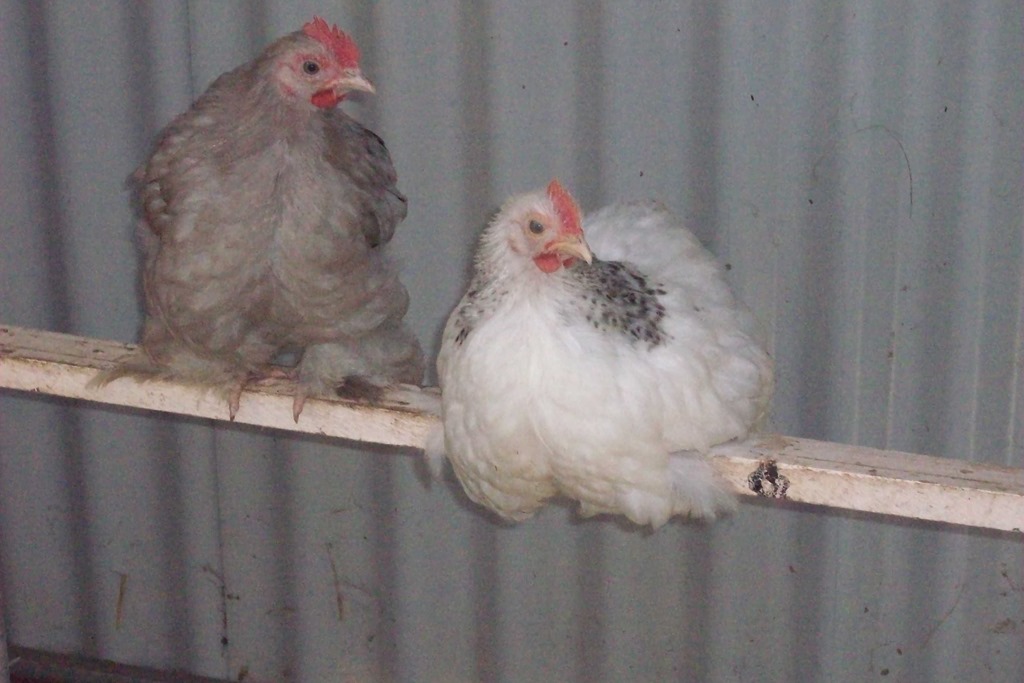
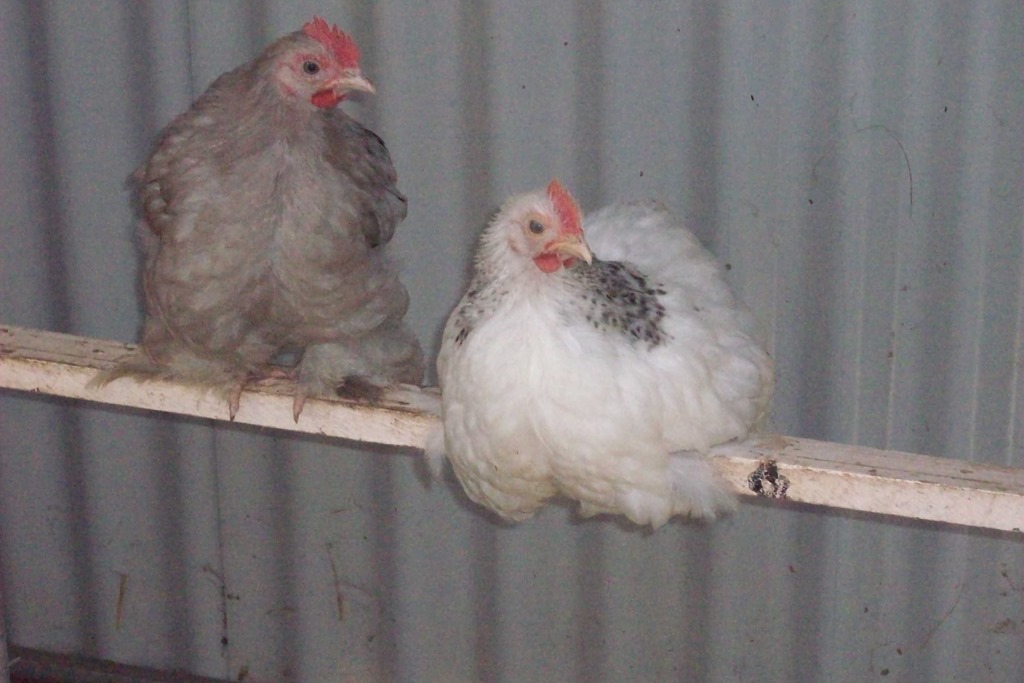
Next and final stage…and the most difficult is to transition the new girls into the chook shed. I’ll leave their dog house there for a few days and hopefully they will find their own way into the coop with the others sometime in the next few evenings.

Housing new Pekins 2011 – continued

In the previous post I blogged about heating the dog kennel to keep the little Pekins warm until they feather out some more.

100_3906

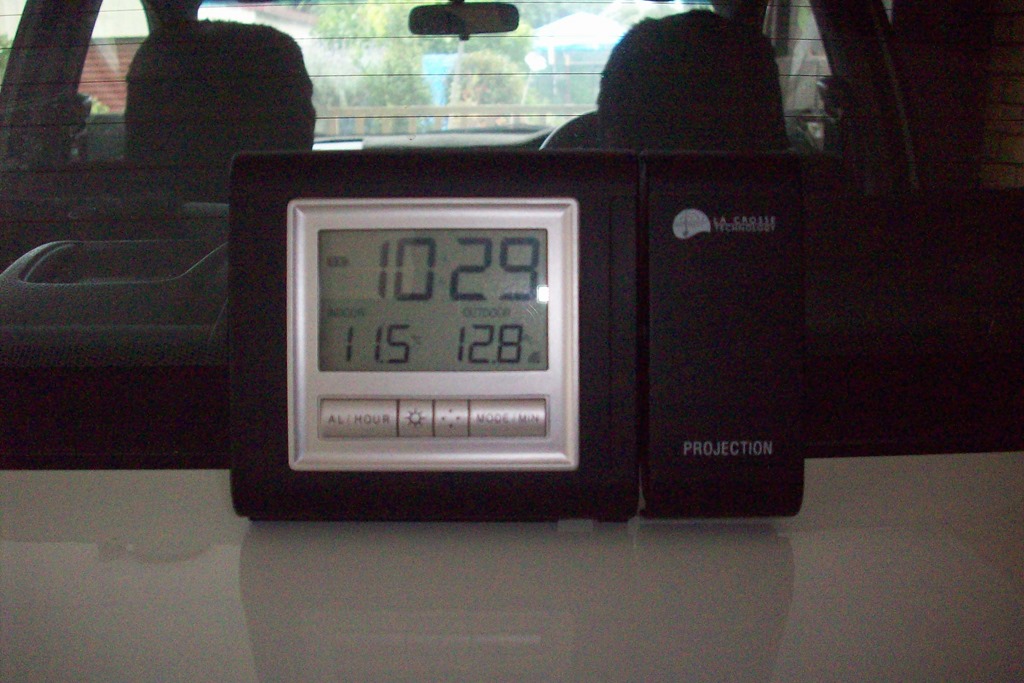
I monitor the internal and external temps with a Projection Alarm Clock Temperature Station that I purchased from Bunnings for $10 – a clearance item.


Continue reading “Housing new Pekins 2011 – continued”

New Pekins – housing

100_3883

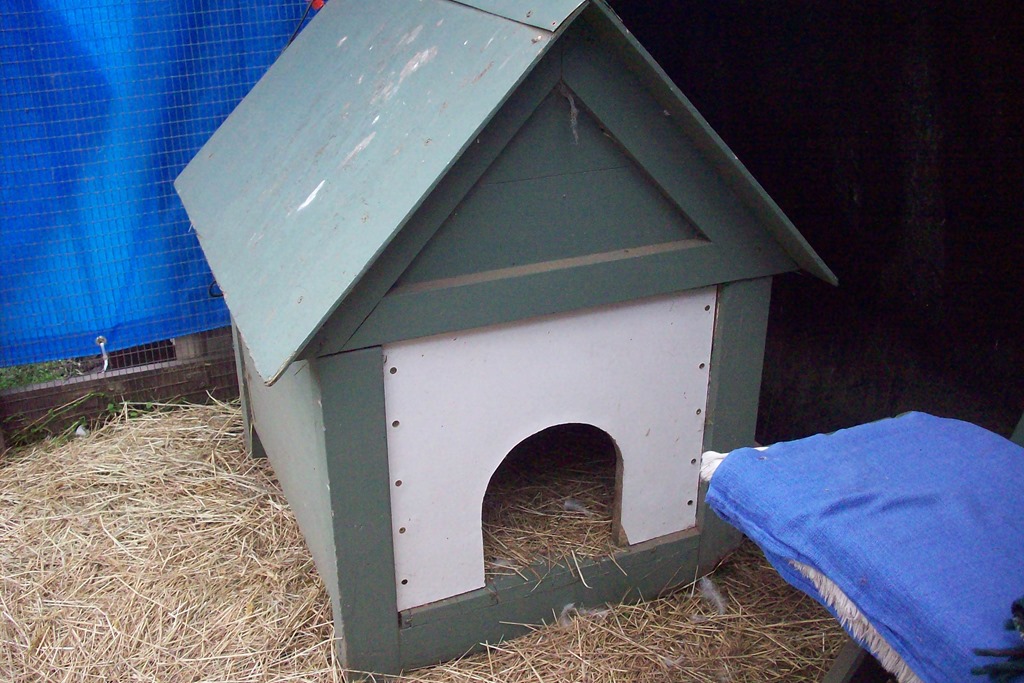
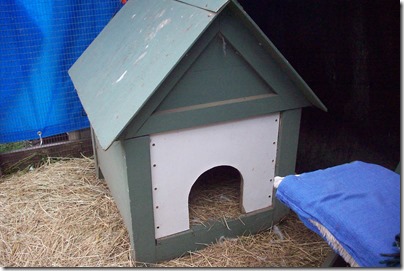
For housing new arrivals I make use of a timber dog kennel that I scrounged off a neighbours nature strip during a hard rubbish collection. I replaced the front with a piece of melamine, note the  smaller entry more suited for little chooks.
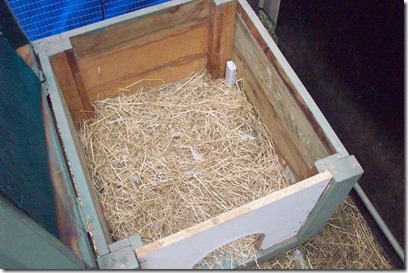


100_3884

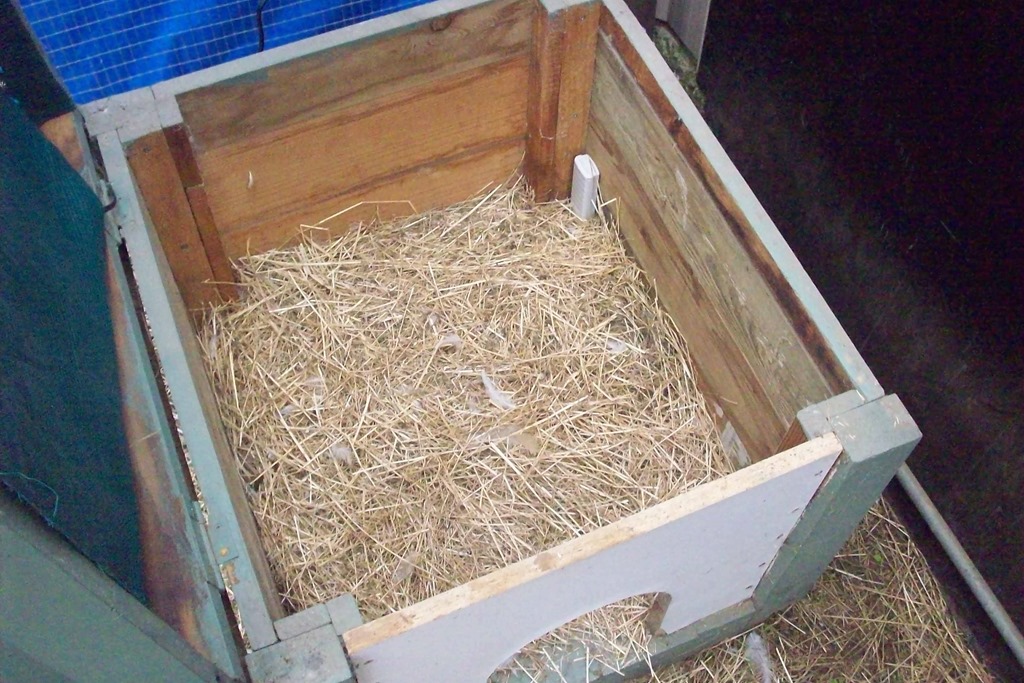
For a small kennel it’s very sturdy, timber is a good insulator for those cold nights. The gable roof is hinged on the left, very convenient for cleaning. In summer I prop the right side up with a bit of timber for ventilation during hot weather.


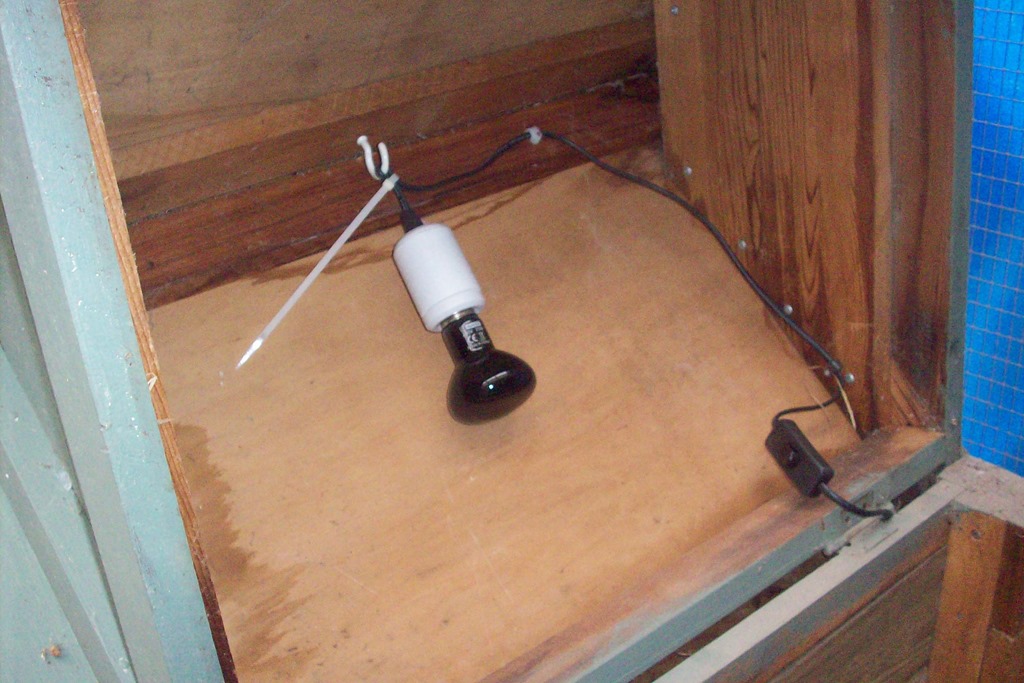
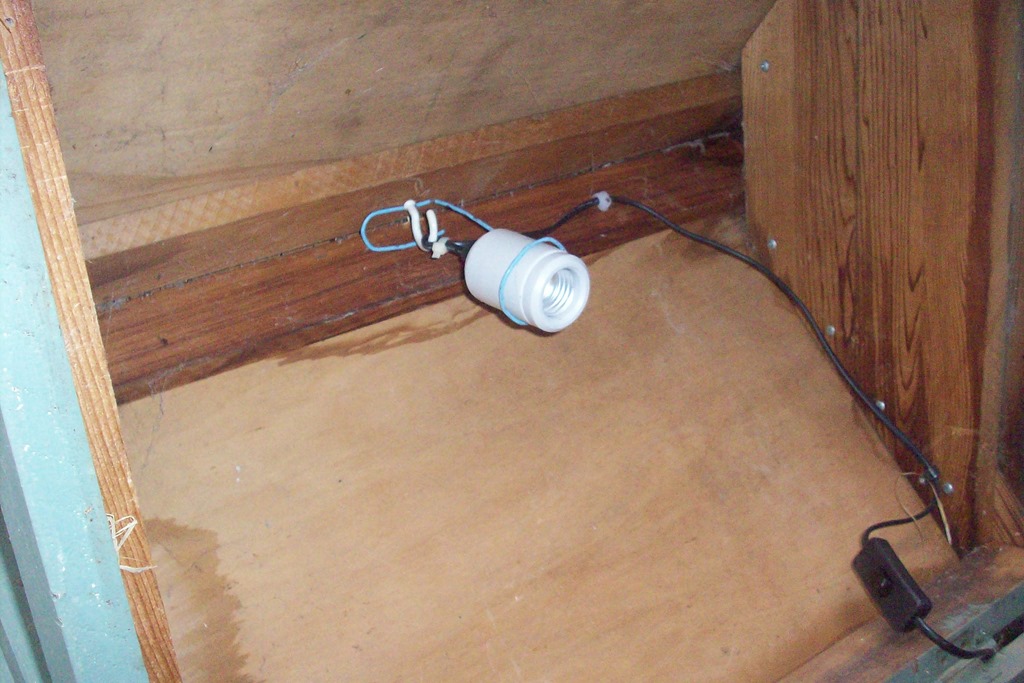
Winter is here with temps already dropping below five degrees. I decided to heat the box to keep the new girls cosy. We are fortunate to have a reptile supplier in our area so off I went intending to purchase a ceramic heat lamp. Depending upon wattage prices were around the $70-80 mark – scrap that idea. I settled for a 75W Reptile One night heat lamp for $16 bucks. These lamps give of a blue light which is supposed to replicate natural moonlight which is fine for reptiles but what about chooks? I also purchased a ceramic lamp socket with lead and switch for $30 – ouch.
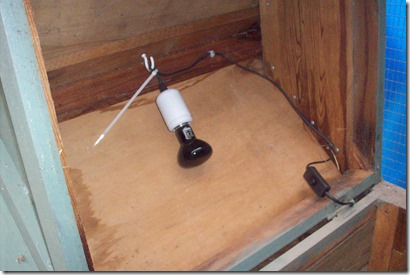
100_3887

I screwed a hook into the roof and secured the lamp lead with a cable tie. When I open the roof the lamp swings down and sits on the side, if the lamp is on and I don’t open the roof gently I’m likely to knock the lamp – and blow it.
I really need to support the lamp so it stays in the middle and not hit anything.
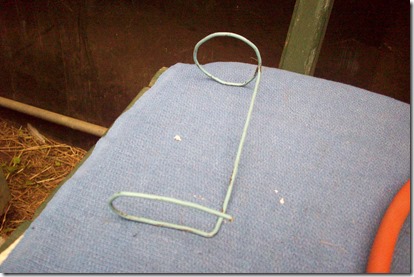
 

100_3889

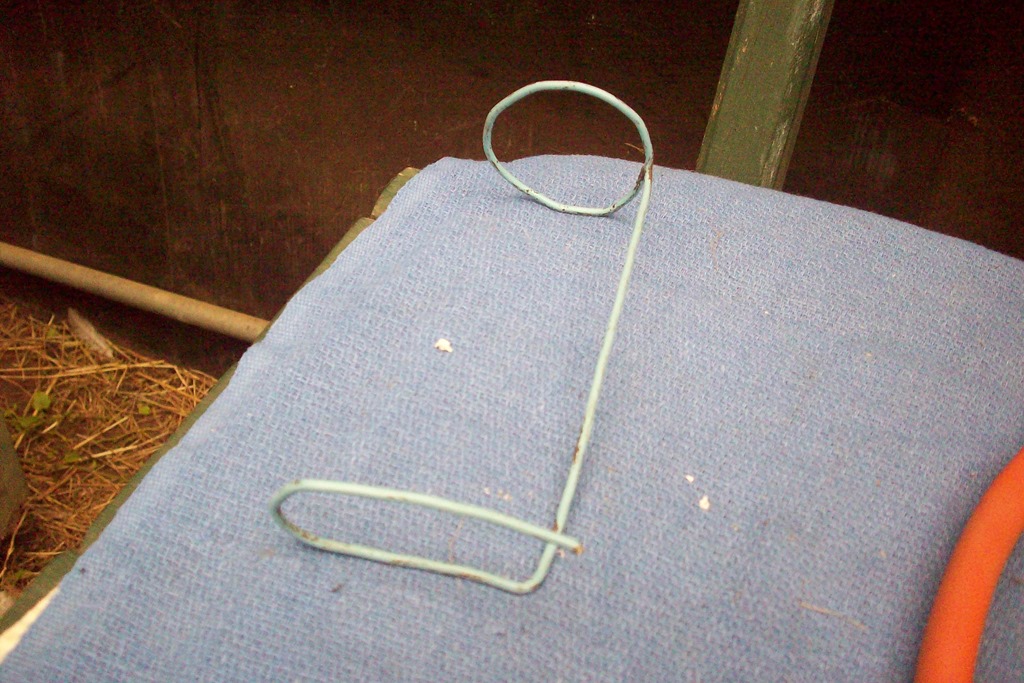
So I fashioned a lamp support from some coat hanger wire.
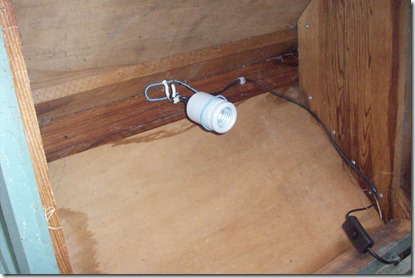


100_3891

Now the lamp socket is held safely in the middle and the wire support provides some damping when the roof is opened and closed.


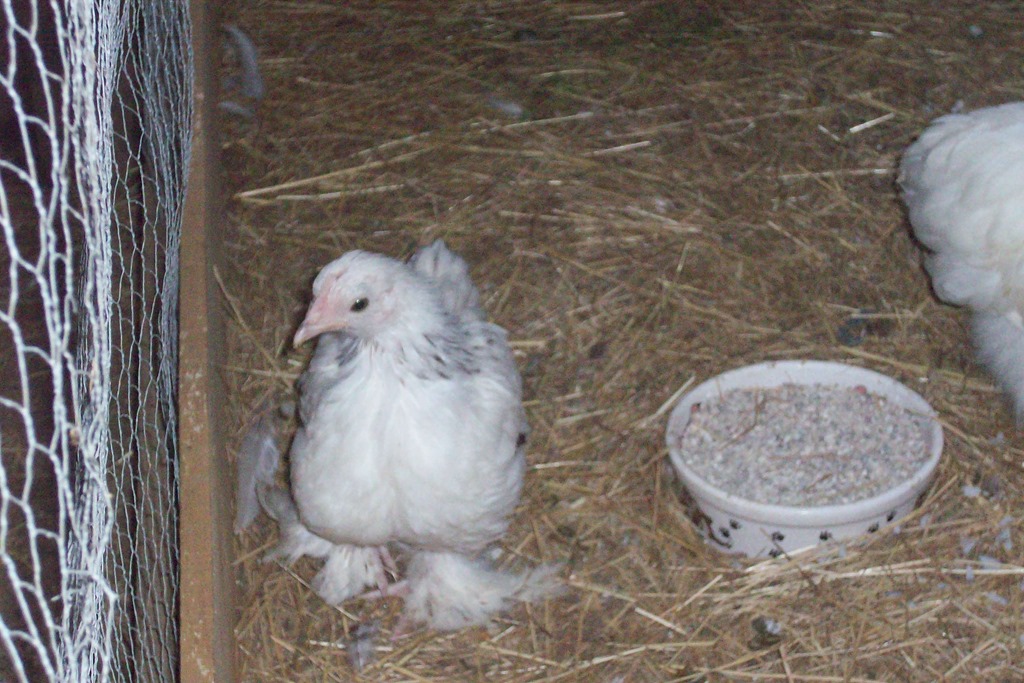
The first night after setting up the heat lamp I poked my head in there after dark and the chooks looked like they were at the disco LOL, too bright for them and they looked a bit unsettled. I need to cut back on the moonlight – but how?
100_3886

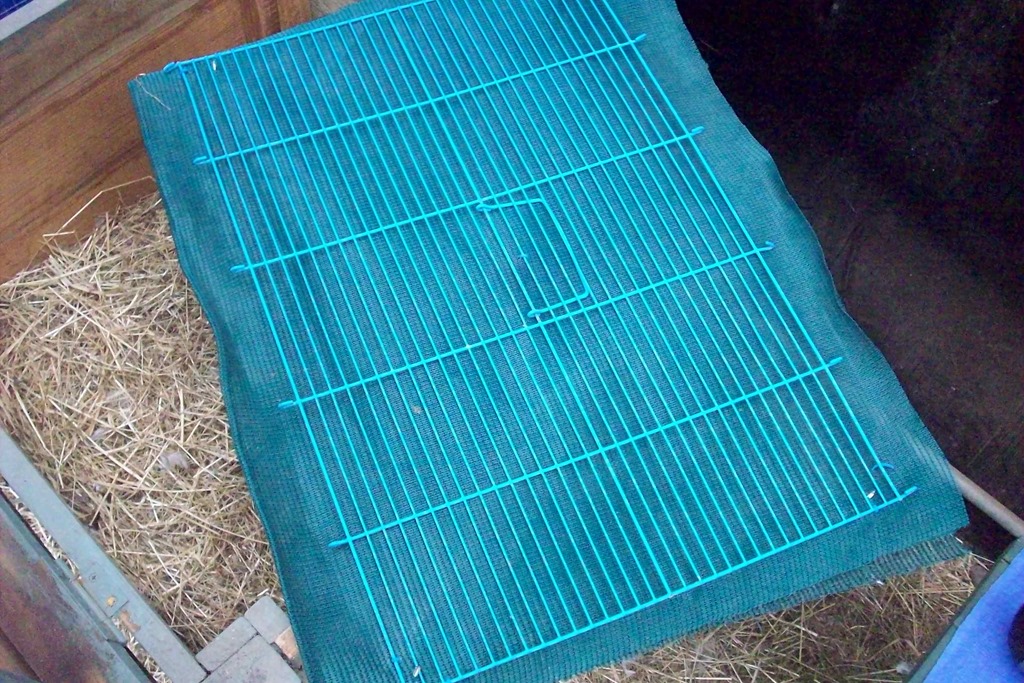
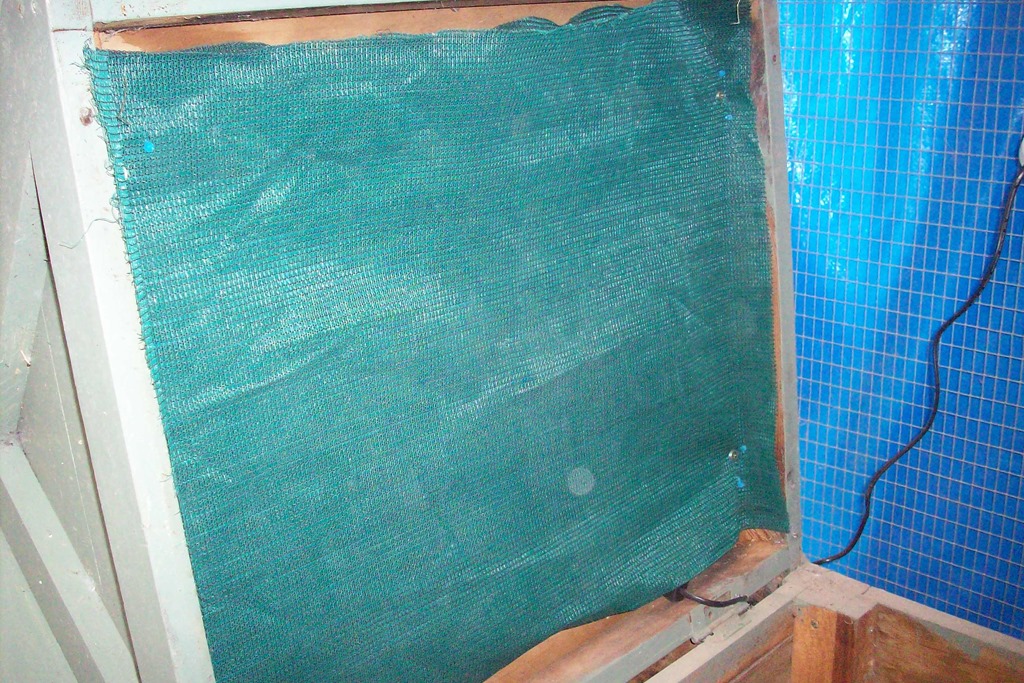
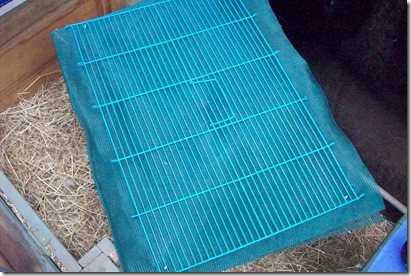
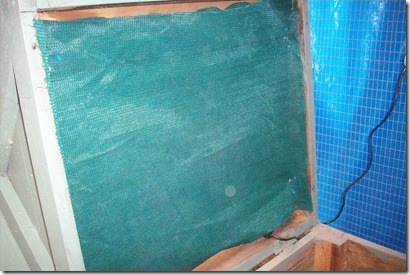
I rummaged through the workshop and found a dismantled bird cage which my older kid had previously used for rats. I trimmed the top to fit inside the roof and attached to this with cable ties a double layer of shade mesh.

That should cut down the moonlight!
 

100_3896

Screw down the “moon light shade” and wait for darkness – I’ll be back.


Yep…looks good; big reduction in disco lighting – chooks are happy and cosy.
New Pekin girls

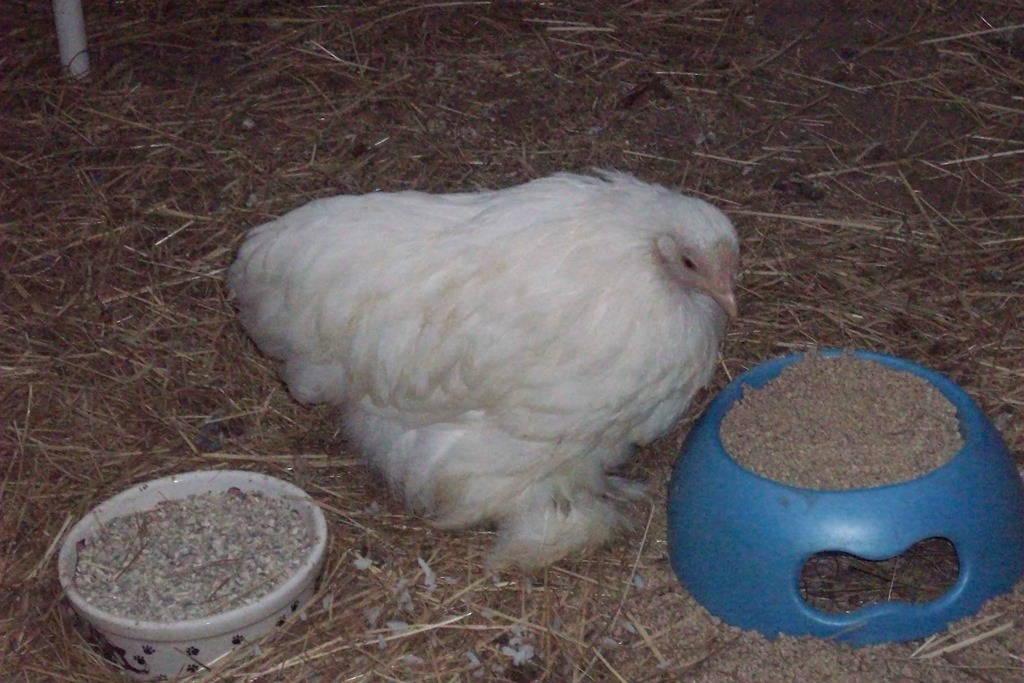
I have already posted that the new Pekins turned out to be roosters which was a real pity because they were very friendly and really clever. We returned them for the two below – definitely girls!

100_3828
Above: This is a white speckled, we named her Speckles.

100_3830
Above: This is a pure white, we named her Lilly.

100_3858
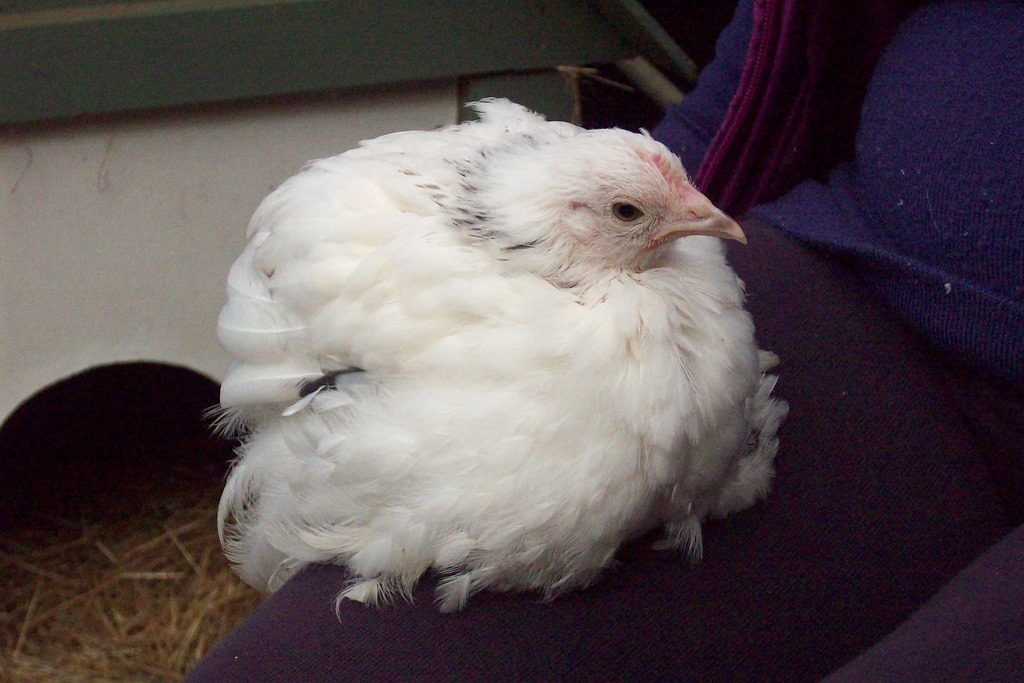
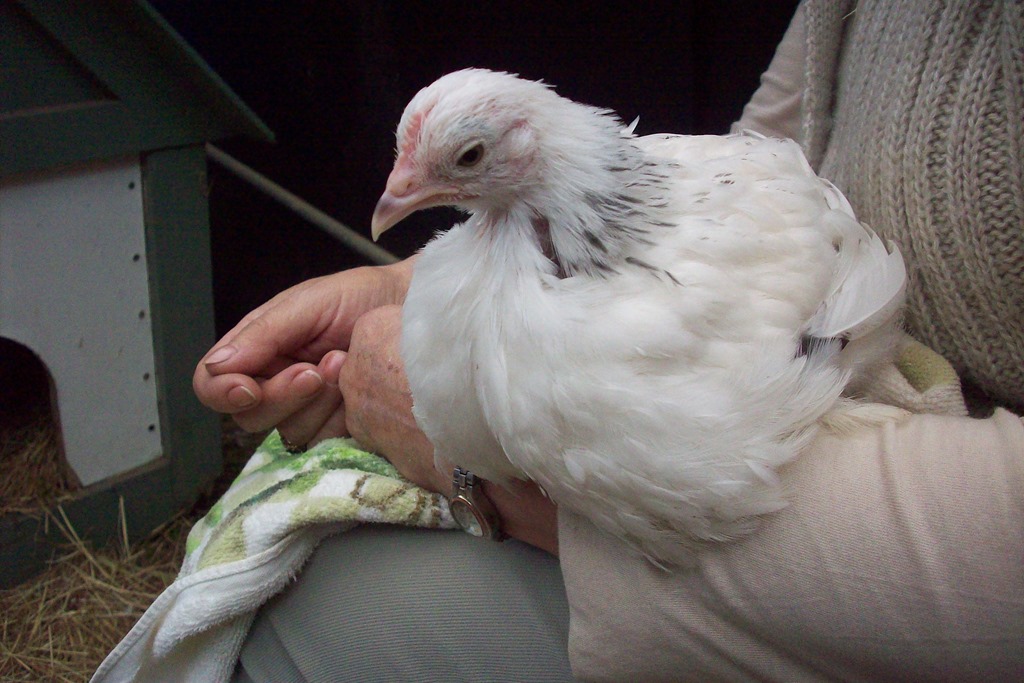
Above: Here is Speckles on my lap, she is very friendly and really alert to everything – cute.

100_3853
Above: Speckles roosting on ET’s arm. If you sit down expect her to fly up on your lap.
Lilly is a quiet girl and becoming more friendly, since these photos were taken she has been finding her way onto my lap as well. I need to take more snaps of her.

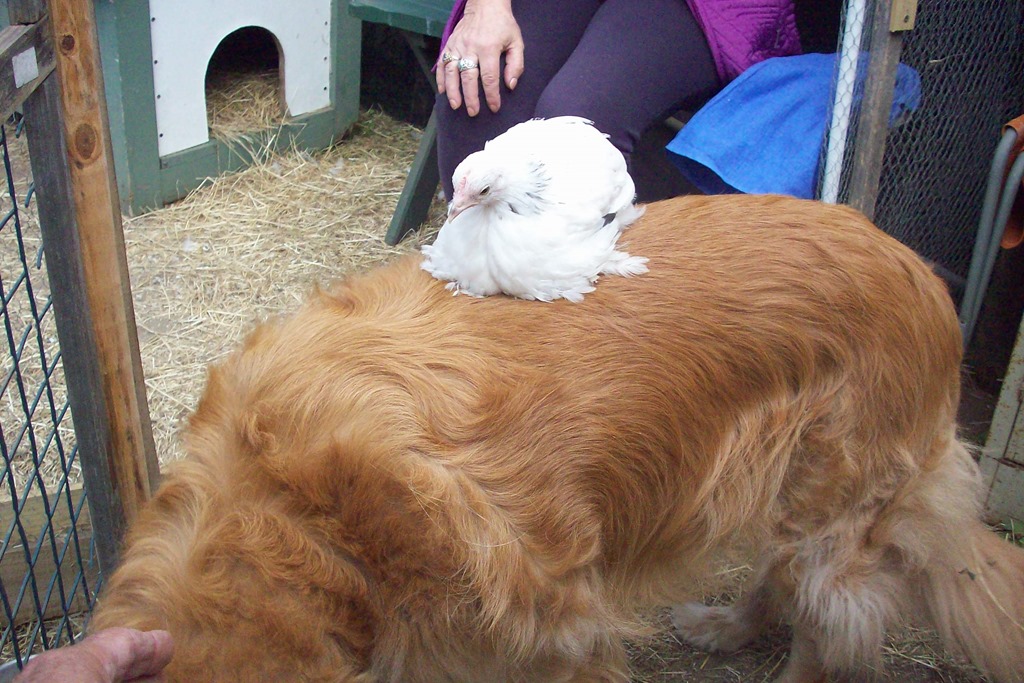
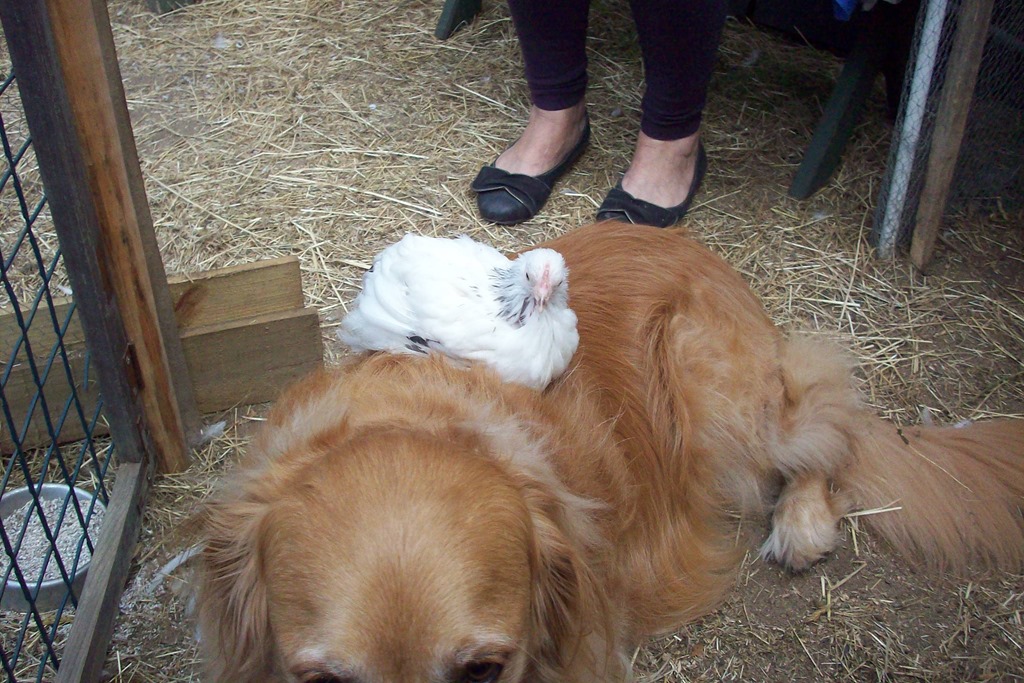
Holly our Golden Retriever found her way into the run, she is very docile with chooks but very interested in chook feed.

100_3855
Above: Speckles is not fussy, a dogs back is just as comfy as someone’s lap!

100_3856
Above: I don’t know what’s on my back but if I lie down it might get off.

Update: This morning I took the camera with me to get some pictures of Lily on my lap.

100_3868

100_3872

Chook run annex – tidy-up

You may ask…why do I have an annex adjacent to the main run?
Well…to keep the mites out!

One of the greatest threats to the health of backyard chooks is mites – bird mites. In our area the most annoying backyard birds are doves and minors. If allowed too they will wander into the chook run and when you go to chase them out they fly around like crazy – and drop all their lodgers!

Mites need a host to survive and many of those that are shaken off onto the ground will soon find their way into the chook shed or coop – and onto the chooks at night.

100_3701

This is the inside gate, no birds to ever cross this line..


100_3700

to absolutely minimise any possibility of mite infestation in the coop!


100_3757

This is the annex gate, if the chooks are in this is closed and the inside one left open.

If they are out which is usually all day then this one is open – with inside closed.


100_3758

When the chooks are out the annex is a safety retreat for them in case of danger or inclement weather. Mind you I’m never far away in the garden or garage workshop.

Update on new Pekins


Arrived home from horses and went to check on Violet and Speckles, the others are in the run but no sign of the little ones!

100_3719

 100_3719

Checked the main shed and two little Pekins on the perch – so cute.

They seem to be quite clever for their age – about 14 weeks. We might start letting them out into the garden next week. Before this though I need to check all the fences for any exit points.